News
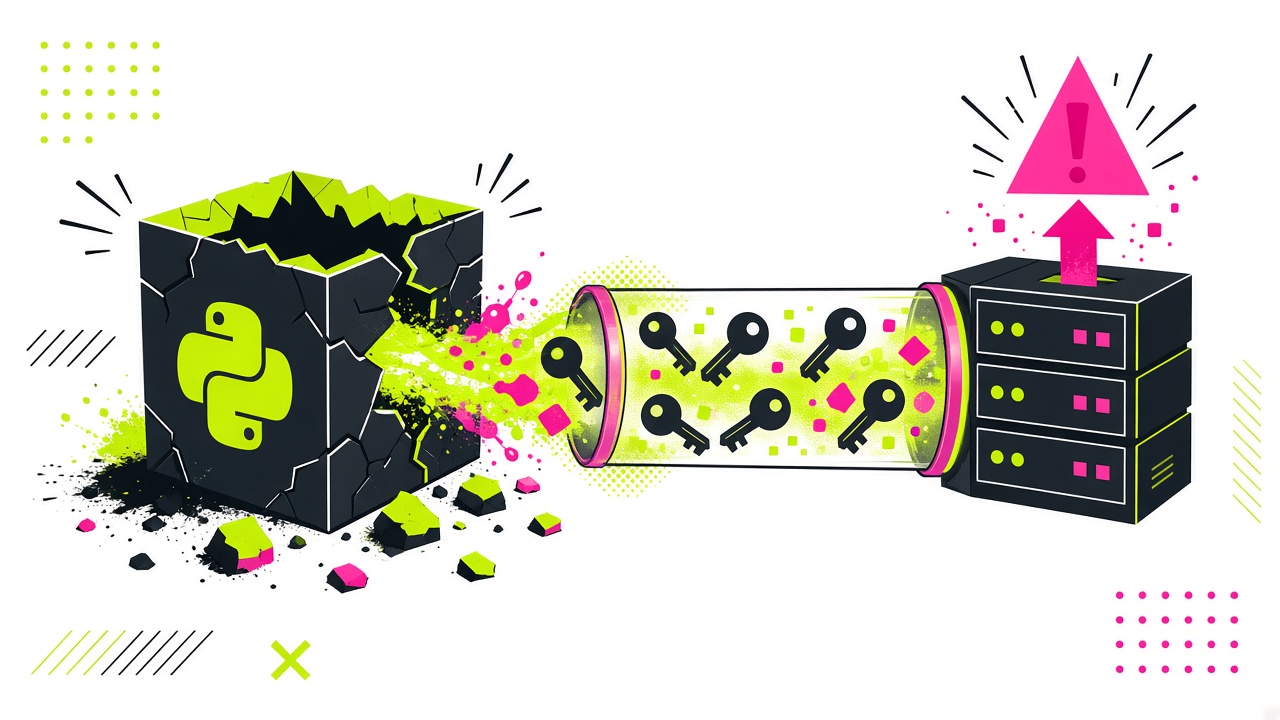
Attackers poisoned Microsoft’s Agent Framework PyPI package.
Malicious builds of Microsoft’s agent-framework package stole cloud and CI credentials from Python environments.
Impact
- What was impacted
- Microsoft’s agent-framework package on PyPI (versions 1.26.1 and 1.26.2). Once installed, a startup hook stole cloud tokens, local credential files, and CI secrets on every Python launch.
- Who was impacted
- Teams that installed or rebuilt with those versions on November 17, 2026 — especially Azure, GitHub Actions, and AI/agent workloads pulling the package automatically.
- What you need to do
- Pin to 1.26.0 or later safe builds, isolate affected hosts and runners, hunt for webhook.site exfil traffic from that window, rotate exposed credentials from a clean system, and audit Azure identities plus GitHub Actions that deploy to Azure.
Security firms including Socket, Wiz, Endor Labs, and others reported that attackers published two malicious versions of Microsoft’s agent-framework meta-package on PyPI. Versions 1.26.1 and 1.26.2 appeared 33 minutes apart on November 17, 2026, and have since been quarantined.
Both builds dropped a .pth file that Python runs on every interpreter start — even when nothing imports Agent Framework. That hook collected environment variables, Azure CLI and other credential files, Azure managed-identity and DevOps OIDC tokens, and similar secrets, then sent them compressed to a hard-coded webhook.site endpoint.
Version 1.26.2 also harvested GitHub Actions OIDC tokens and widened the environment-variable search. The package sees roughly 190,000 downloads a month, so CI and developer machines that pulled “latest” during the short publish window are the main exposure.
This is the second Microsoft-related PyPI package compromised this year. Treat any install of the bad versions as a credential incident, not only a dependency rollback.
For your AI agent
Agent instructions — copy paste to Claude
You are helping me respond to a PyPI supply-chain compromise of Microsoft’s agent-framework package (malicious versions 1.26.1 and 1.26.2 published ~Nov 17, 2026). Those builds installed a .pth startup hook that stole cloud/CI credentials on every Python launch and exfiltrated to a webhook.site endpoint.

Context:
- What was impacted: agent-framework 1.26.1 / 1.26.2 on PyPI; credential theft from env vars, Azure CLI files, managed-identity / DevOps OIDC tokens, GitHub Actions OIDC (1.26.2), and similar secrets.
- Who is at risk: hosts, laptops, and CI runners that installed or rebuilt with those versions during the publish window — especially Azure and GitHub Actions AI/agent workloads.
- Safe pin: 1.26.0 (or a later known-good release once confirmed).

Do this in order. Ask me before destructive steps. Prefer read-only discovery first.

1. Inventory exposure
   - Search dependency lockfiles, Docker images, CI caches, and local venvs for agent-framework==1.26.1 or 1.26.2.
   - List machines/runners that installed Python packages between the publish window and quarantine.
2. Contain
   - Isolate affected hosts/runners from production credentials where practical.
   - Pin agent-framework to 1.26.0 (or newer safe) and rebuild from a clean environment.
3. Hunt
   - Search proxy/DNS/logs for requests to the reported webhook.site exfil URL from that window.
   - Look for unexpected .pth files related to agent_framework_meta / af_runtime_diag in site-packages.
4. Remediate credentials from a clean system
   - Rotate Azure, GitHub, npm/pip, Docker, and any other secrets that could have been on affected hosts.
   - Audit Azure identities, sign-in/activity logs, and GitHub Actions workflows that deploy to Azure.
5. Report back
   - Summarize: systems checked, confirmed exposure, actions taken, remaining risk, and suggested follow-ups.

Do not invent indicators. If a check needs credentials or access I have not given you, say what you need and stop.